

Sativa strains are cannabis varieties defined by their tall, narrow plant structure and uplifting, cerebral effects that promote creativity, focus, and social energy. Unlike indica-dominant plants, sativas trace their genetic roots to equatorial landrace genetics from regions like Thailand, Jamaica, and Nepal, where long growing seasons shaped their distinctive traits. Classic examples include Thai Stick, Jamaica Sativa, and the modern hybrid Satori. Whether you’re a recreational consumer chasing a clear-headed high or a home grower curious about cultivation, understanding sativa strains gives you a real edge in choosing the right product.
What are sativa strains and how do they differ from indica?
Sativa classification refers more to botanical morphology than to guaranteed psychoactive effects. The actual experience depends primarily on terpene profiles and cannabinoid ratios, not just the plant’s physical category. That distinction matters because it changes how you shop and how you grow.
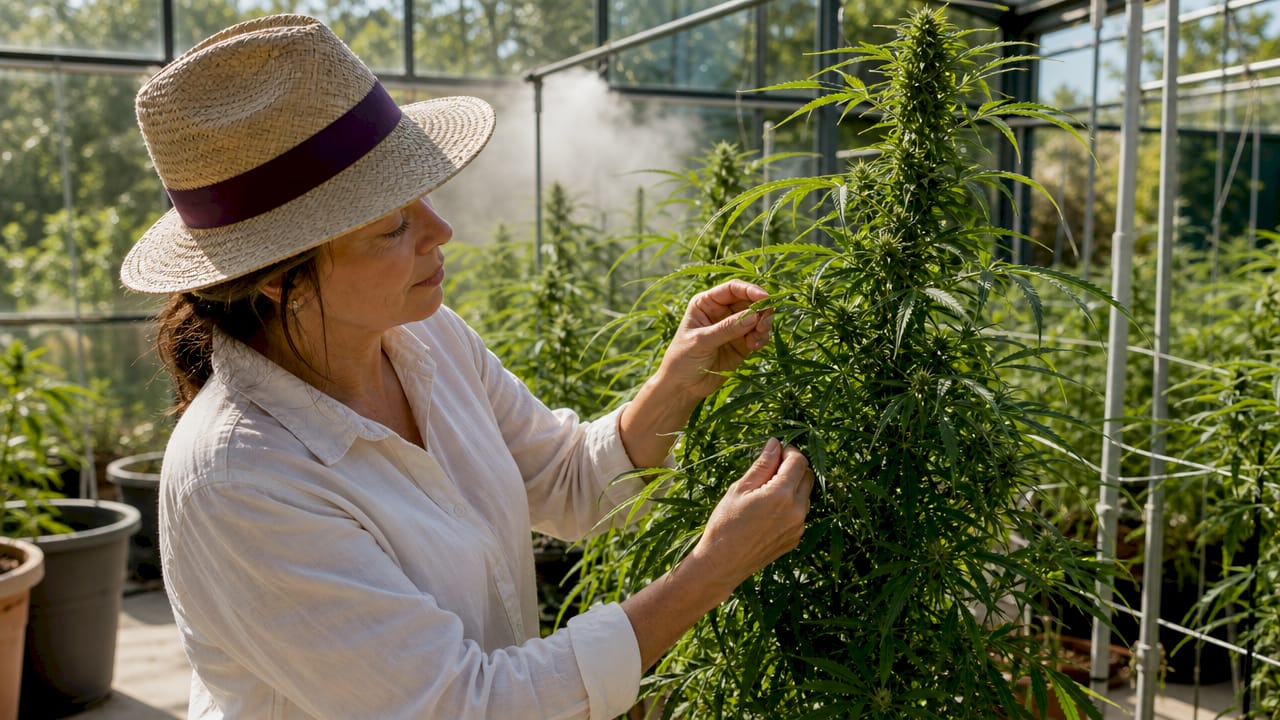
Physically, sativas grow tall and lanky with narrow, finger-like leaves. Indoors, plants can stretch dramatically during flowering, sometimes doubling in height. Outdoors in warm climates like South Africa’s Limpopo or KwaZulu-Natal regions, they thrive with space and sunlight. Indica plants, by contrast, stay short and bushy with broader leaves and faster flowering cycles.
The cerebral, energizing reputation of sativas comes from their typical cannabinoid and terpene combinations, not the plant shape alone. A sativa with high myrcene content can feel surprisingly relaxed. One loaded with limonene and pinene will feel sharp and alert. Knowing this prevents disappointment when a “sativa” doesn’t match your expectations.
True pure landrace sativas are rare. Most products labeled sativa today are hybrids bred to carry the cerebral traits of classic sativas while correcting their difficult growth patterns. That’s not a downgrade. It’s a practical evolution that makes quality sativa experiences more accessible.
How do cannabinoid profiles and terpenes shape the sativa experience?
The effects of any cannabis strain come from its chemical fingerprint, not its category label. For sativas, that fingerprint typically features high THC and very low CBD, combined with specific terpenes that drive the mental stimulation consumers associate with the category.
Sativa-dominant strains commonly carry 18%+ THC and less than 1% CBD, producing potent cerebral effects with minimal physical sedation. High THC without CBD to moderate it means the psychoactive experience hits fast and strong. Newer consumers should start with lower-THC options and work upward.
Terpenes are where the real nuance lives. Pinene and limonene promote alertness and creativity, while myrcene softens the experience toward a more relaxed but still functional state. You can understand terpene synergy in detail to make smarter strain choices based on aroma and effect rather than just the sativa label.
Pro Tip: Smell the flower before you buy. A citrusy, piney aroma signals high limonene and pinene content, which means a more alert, creative experience. A musky, earthy scent suggests more myrcene and a calmer ride.
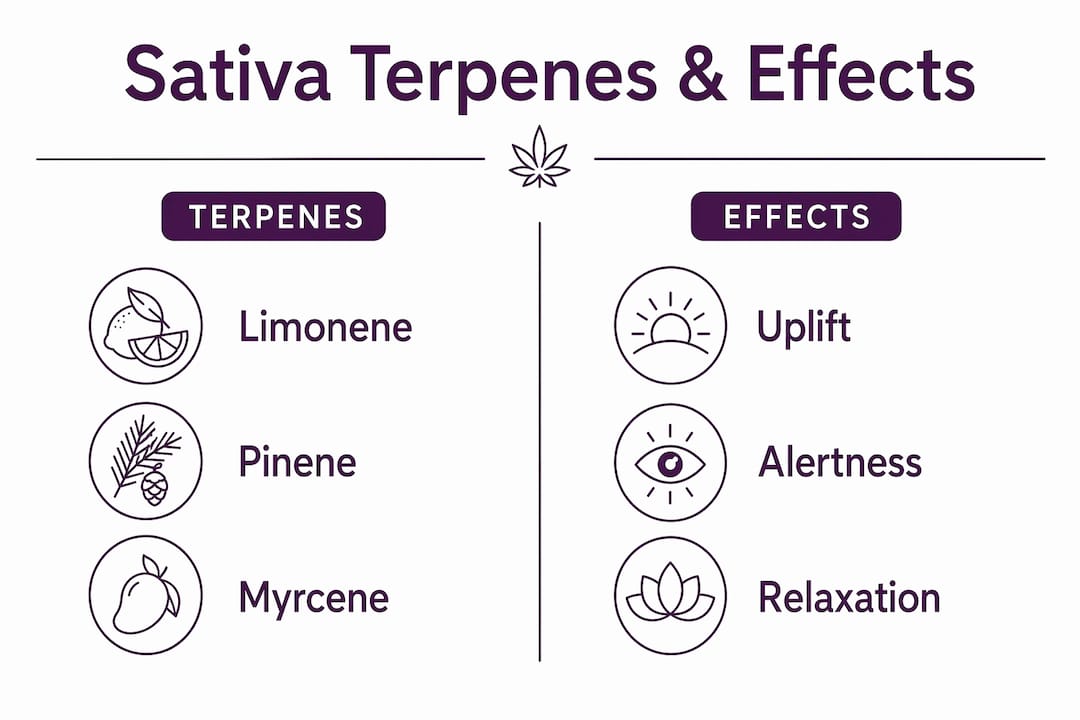
| Terpene | Aroma | Primary effect |
|---|---|---|
| Limonene | Citrus, lemon | Uplifting, mood boost |
| Pinene | Pine, fresh | Alertness, mental clarity |
| Myrcene | Earthy, musky | Relaxed but functional |
| Terpinolene | Floral, herbal | Mild energizing, creative |
Understanding the difference between THC and CBD also helps you set realistic expectations before trying any new strain.
What are some popular and classic sativa strains worth knowing?
The most respected sativa varieties share a common thread: landrace genetic heritage combined with distinctive flavor and effect profiles. Here’s a breakdown of strains that have shaped the category.
-
Thai Stick: One of the original landrace sativas from Southeast Asia. Thai Stick carries 15%–20% THC with a spicy, earthy flavor and a soaring, euphoric high. Its flowering time runs 12–16 weeks, making it a serious commitment for growers. The experience is classic sativa: clear-headed, energetic, and long-lasting.
-
Satori: A modern Nepalese landrace hybrid that punches well above its heritage. Satori reaches 23%–28% THC, far exceeding the typical landrace range. It delivers a focused, creative high with sweet, floral notes. Indoors, it yields around 550–600 g/m² with an 8.5–12 week flowering window, making it one of the more grower-friendly options in the sativa category.
-
Jamaica Sativa: A tropical landrace variety with a bright, fruity profile and a clean, uplifting effect. Its high THC-to-CBD ratio drives cerebral stimulation without heavy body sedation. It’s a strong choice for social settings or creative work.
-
Utopia Haze: A Brazilian landrace cross known for its intense, psychedelic cerebral effect and long flowering time. THC levels sit in the upper range of classic sativas. The flavor profile leans toward sweet and earthy with tropical notes.
-
Tikal: A Guatemalan landrace variety with a balanced, functional high. Tikal offers moderate THC levels with a clear-headed effect that suits daytime use without overwhelming newer consumers.
| Strain | THC range | Flowering time | Best for |
|---|---|---|---|
| Thai Stick | 15%–20% | 12–16 weeks | Classic euphoric high |
| Satori | 23%–28% | 8.5–12 weeks | Focus and creativity |
| Jamaica Sativa | 18%+ | 10–14 weeks | Social, uplifting |
| Utopia Haze | 20%–25% | 14–16 weeks | Deep cerebral experience |
| Tikal | 15%–18% | 10–12 weeks | Daytime functional use |
For growers interested in how environment affects these profiles, the indoor vs. greenhouse growing comparison covers the practical tradeoffs in detail.
What do home growers need to know about cultivating sativa strains?
Growing sativas indoors is rewarding but demands more planning than indica or hybrid cultivation. The main challenges are height, flowering time, and structural management during the late flowering stretch.
-
Plan for vertical space. Sativas can double in height between the start of flowering and harvest. A plant that enters flower at 60 cm can finish at 120 cm or taller. Low-stress training (LST) and Screen of Green (SCROG) methods keep plants manageable and improve light penetration.
-
Add structural support early. Sativa cultivation requires structural support due to significant stretch late in flowering. Bamboo stakes, trellis netting, or SCROG screens prevent branches from snapping under bud weight. Install support before the stretch begins, not after.
-
Match the climate to the strain. Thai Stick and Jamaica Sativa prefer warm, humid conditions similar to their equatorial origins. Satori handles a broader range of climates. South African outdoor growers in warmer provinces have a natural advantage with most sativa varieties.
-
Time your harvest carefully. Earlier harvest targeting cloudy trichomes maximizes clear-headed, energetic effects and reduces sedation. Waiting for amber trichomes shifts the experience toward a heavier, more relaxed high. Use a jeweler’s loupe or digital microscope to check trichome color before cutting.
-
Account for long flowering cycles. True landrace sativas flower for 12–16 weeks, which is significantly longer than most hybrids. Modern sativa-dominant hybrids like Satori cut that down to 8.5–12 weeks without sacrificing the cerebral effect profile.
Pro Tip: If you’re growing indoors for the first time, start with a sativa-dominant hybrid rather than a pure landrace. You’ll get the uplifting effect profile with a more manageable plant size and a shorter wait to harvest.
Key Takeaways
The most effective way to choose a sativa strain is to match its terpene profile and THC level to your intended experience, not just its category label.
| Point | Details |
|---|---|
| Sativa effects depend on chemistry | Terpenes and THC-to-CBD ratios determine the actual experience more than the plant category. |
| THC levels vary widely | Modern hybrids like Satori reach 23%–28% THC, while landraces like Thai Stick sit at 15%–20%. |
| Harvest timing shapes effects | Cloudy trichomes at harvest produce a clearer, more energetic high than amber trichomes. |
| Structural support is non-negotiable | Late-flower stretch in sativas requires stakes or netting to prevent branch damage and crop loss. |
| Pure landraces are rare | Most sativa products today are hybrids bred to balance cerebral effects with practical grow traits. |
My honest read on sativa strains after years of growing and consuming
The biggest mistake I see consumers make is treating “sativa” as a guarantee of a specific experience. It isn’t. The label tells you about plant shape and genetic heritage. The terpene profile and THC level tell you what you’ll actually feel. I’ve smoked sativa-labeled flower that felt calm and grounding, and I’ve had hybrid products that hit harder and faster than any pure landrace I’ve tried.
What I’ve found genuinely useful is learning to read the terpene breakdown before buying. A strain with dominant limonene and pinene is going to feel sharp and social. That’s the profile I reach for before a braai with friends or a creative session. A sativa heavy in myrcene is better for a relaxed afternoon than a high-energy night out.
For growers, the advice I’d give is to respect the stretch. I’ve seen indoor grows go sideways because someone didn’t install support netting early enough. The plants look fine at week four of flower, then suddenly they’re falling over each other by week eight. Set up your SCROG or stakes before you flip to 12/12 lighting, not after you notice the problem.
The diversity within the sativa category is genuinely exciting. From the classic Thai Stick landrace to modern high-THC hybrids like Satori, there’s a range of experiences available that suits every consumer type. Start with moderate THC levels if you’re newer to the category, pay attention to terpenes, and you’ll find the right fit faster than you think.
— Nambeta
Four20sa’s premium cannabis selection for sativa lovers
Four20sa sources and curates premium organic cannabis products built around quality and purity. If you’re looking for sativa-dominant options with verified THC levels and consistent terpene profiles, Four20sa’s indoor-grown range delivers exactly that.

Every product meets Four20sa’s product quality standards, from boutique indoor flower to pre-rolled joints and concentrated oils. South African consumers in Gauteng benefit from same-day delivery, so you’re never far from a quality sativa experience. Browse the full range of indoor pre-rolls to find a strain profile that matches your preferred effects, whether that’s a sharp creative session or a relaxed social afternoon.
FAQ
What are sativa strains?
Sativa strains are cannabis varieties characterized by tall, narrow plants and cerebral, uplifting effects. Their actual experience depends on terpene profiles and THC-to-CBD ratios rather than plant morphology alone.
What THC levels do sativa strains typically contain?
Most sativa-dominant strains carry 18% or more THC with less than 1% CBD. Modern hybrids like Satori reach 23%–28% THC, while classic landraces like Thai Stick sit in the 15%–20% range.
How long do sativa strains take to flower?
True landrace sativas flower for 12–16 weeks. Modern sativa-dominant hybrids like Satori reduce that to 8.5–12 weeks while preserving the cerebral effect profile.
What is the difference between sativa and indica effects?
Sativas typically produce energizing, cerebral effects driven by terpenes like limonene and pinene. Indica-dominant strains tend toward physical relaxation, often linked to higher myrcene content.
How do I choose the right sativa strain for me?
Match the strain’s terpene profile to your intended activity. Citrusy, piney aromas signal alertness and creativity. Start with moderate THC levels if you’re new to sativa strains, then adjust based on your experience.